Week 20: From the Wild to the Book
A quiet look behind the scenes of turning this journey into a book.
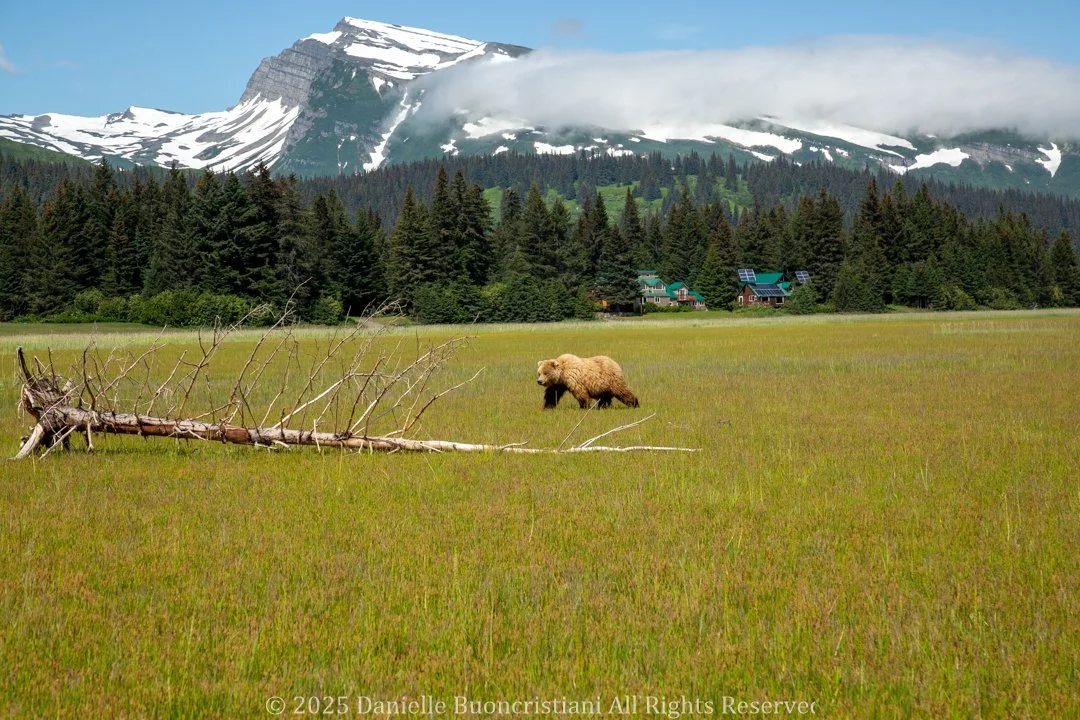
Lake Clark National Park — where this story began.
This was always more than a trip.
From the beginning, I knew I didn’t just want to experience Alaska—I wanted to create something from it. Something lasting. A book that could hold not just the photographs, but the feeling of being there.
That part, I’m still in the middle of.
The process started with the experience itself. Alaska isn’t one place—it’s many worlds stitched together. Coastal brown bears in Lake Clark. The vast interior of Denali. The glaciers and fjords along the Kenai coast. Each place asked something different of me—not just as a photographer, but as a person paying attention.
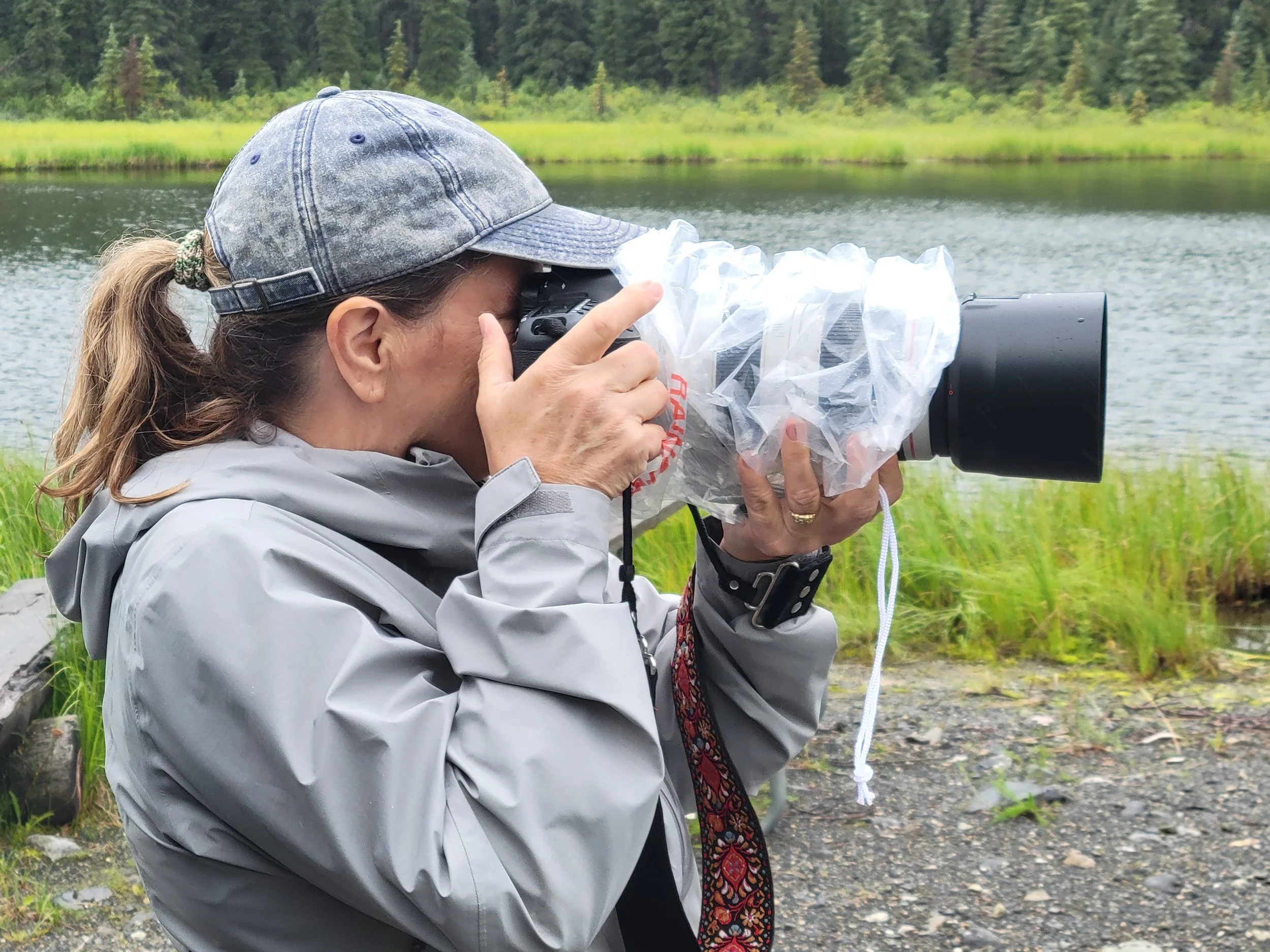
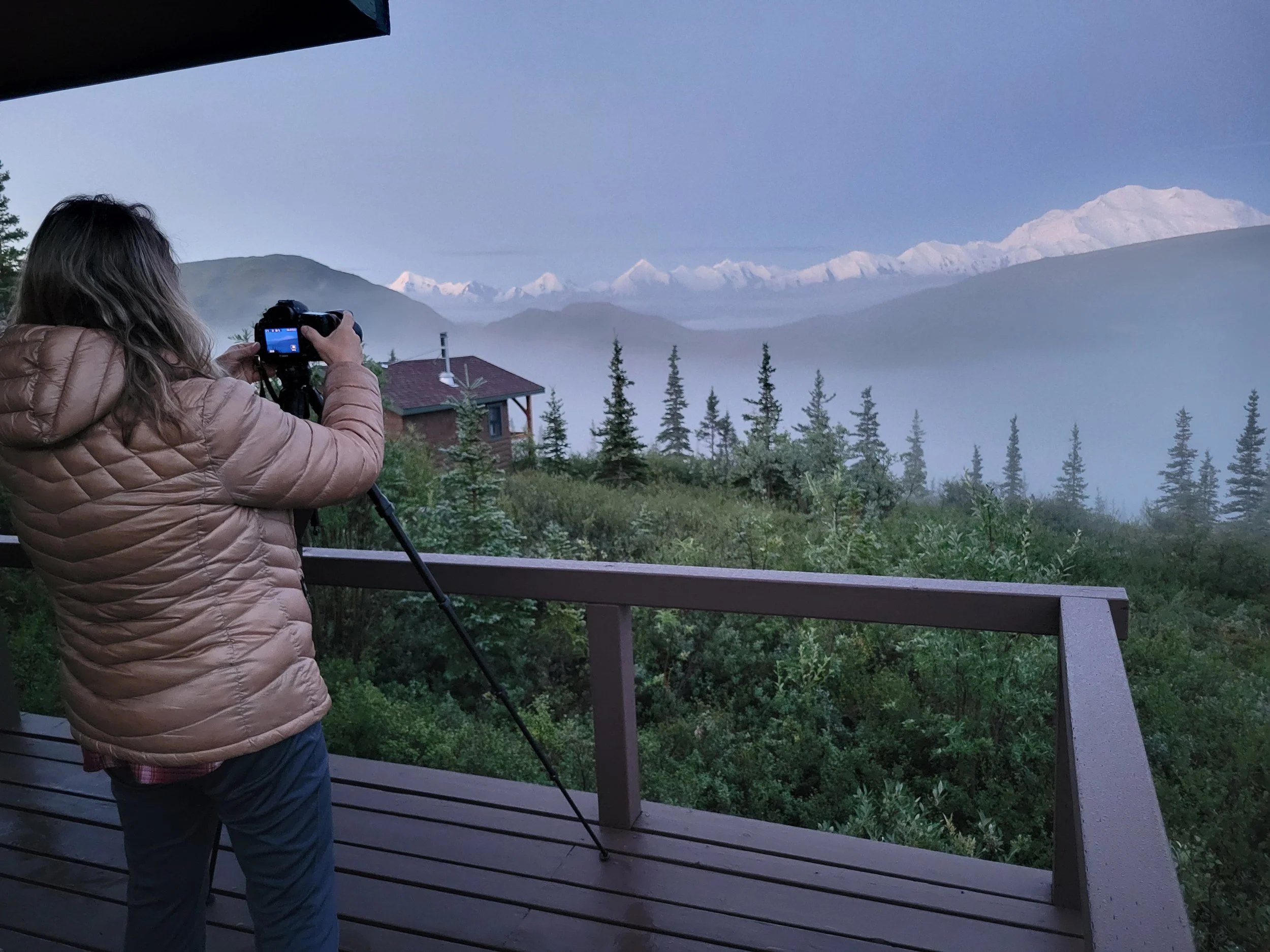
Photographing in Alaska meant adapting to whatever the conditions gave us.
Then came the photographs.
Across both trips, I captured thousands of images. The first step was narrowing them down. From thousands to hundreds. From hundreds to a smaller group that felt like it could carry the story. That process takes time—and honesty. Not every image that feels meaningful in the moment belongs in the final set.
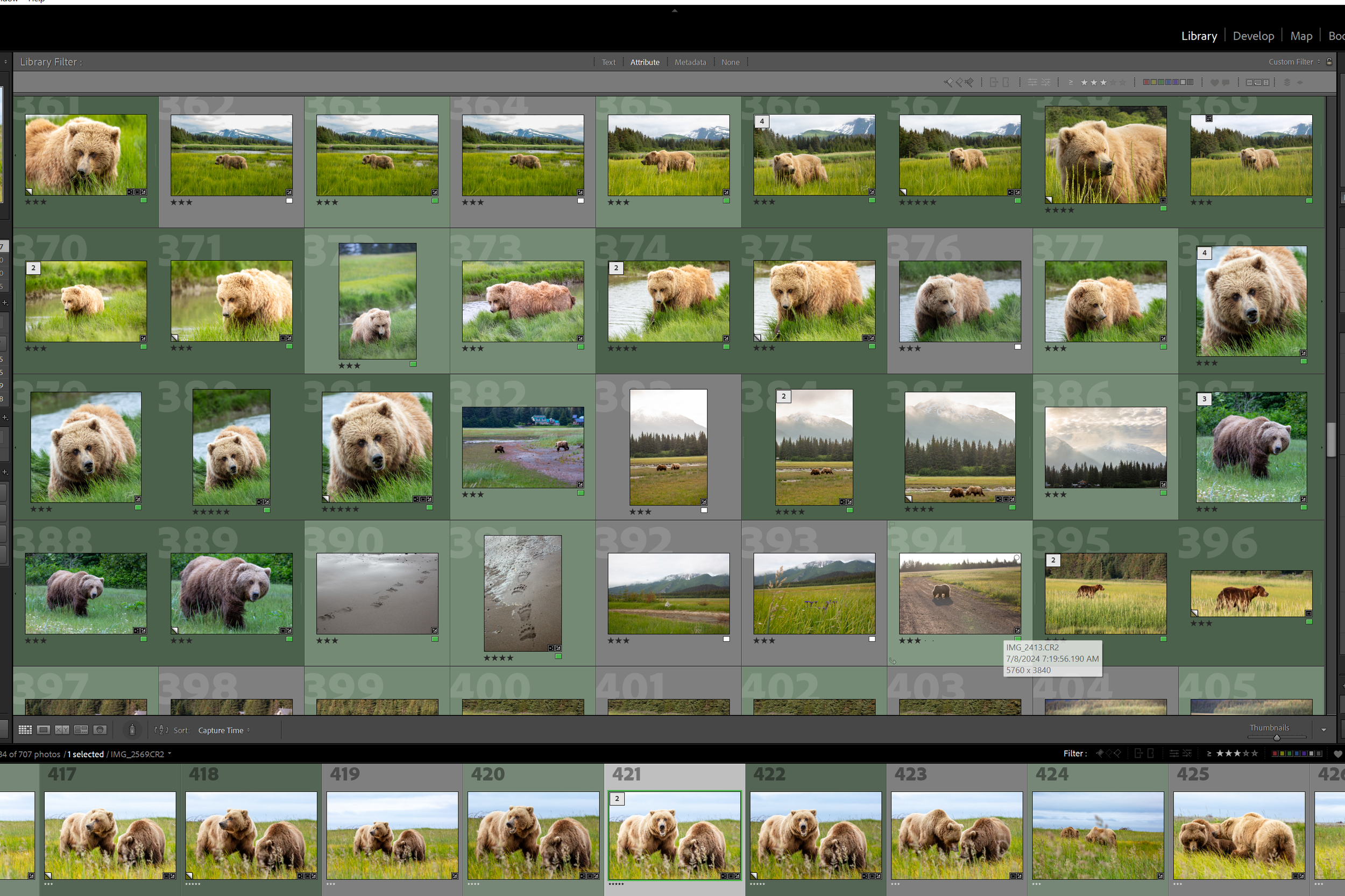
From thousands of images down to a smaller group that could carry the story.
After that, I began researching how to translate all of this into a coffee table book.
Paper types. Print quality. Color accuracy. Binding. Size. There are more decisions than I expected, and each one changes how the photographs are experienced. What looks good on a screen doesn’t always translate the same way in print.
At the same time, Dave and I had been recording pieces of the journey as it was happening—short voice memos, reactions, things we didn’t want to forget. Later, those recordings were transcribed, along with my written notes and these blog posts.
The challenge became how to distill all of that into something simpler. Shorter pieces of text that support the images without overwhelming them. That’s where the Field Notes come in—small, factual pieces that add context without taking over the page.
Then came the design.
Design has always been about guiding how a story is seen and felt.
This part felt familiar. For years, I’ve been designing albums for my clients—telling their stories through photographs they’ve chosen, guiding the flow, the pacing, the feeling of each spread.
What’s different here is that this book is built from my own fine art work. The images aren’t chosen from a single session—they’re part of a much larger story, across multiple locations, moments, and experiences. The goal is the same—to create something cohesive and meaningful—but the way you get there is different.
And finally—the test books.
This is where everything starts to come together.
I began by printing two smaller books—both 10×8, each with a different style. They helped me start to understand how the images translated to print, how color shifted, how layout felt in my hands.
From there, I created a magazine version. That format allowed for larger images and a slightly glossier feel. It shifted how the work was experienced—more open, more visual—and it helped me see new possibilities for how the final book could be structured.
The next step was researching a new print company and testing a larger format. That led to a 16.5×11 test book.
Holding that version felt different. This was the first time it felt real.
The scale, the paper, the way the images sat on the page—it finally started to feel like what I had been imagining. Not finished, but close. Close enough to see where this is going.
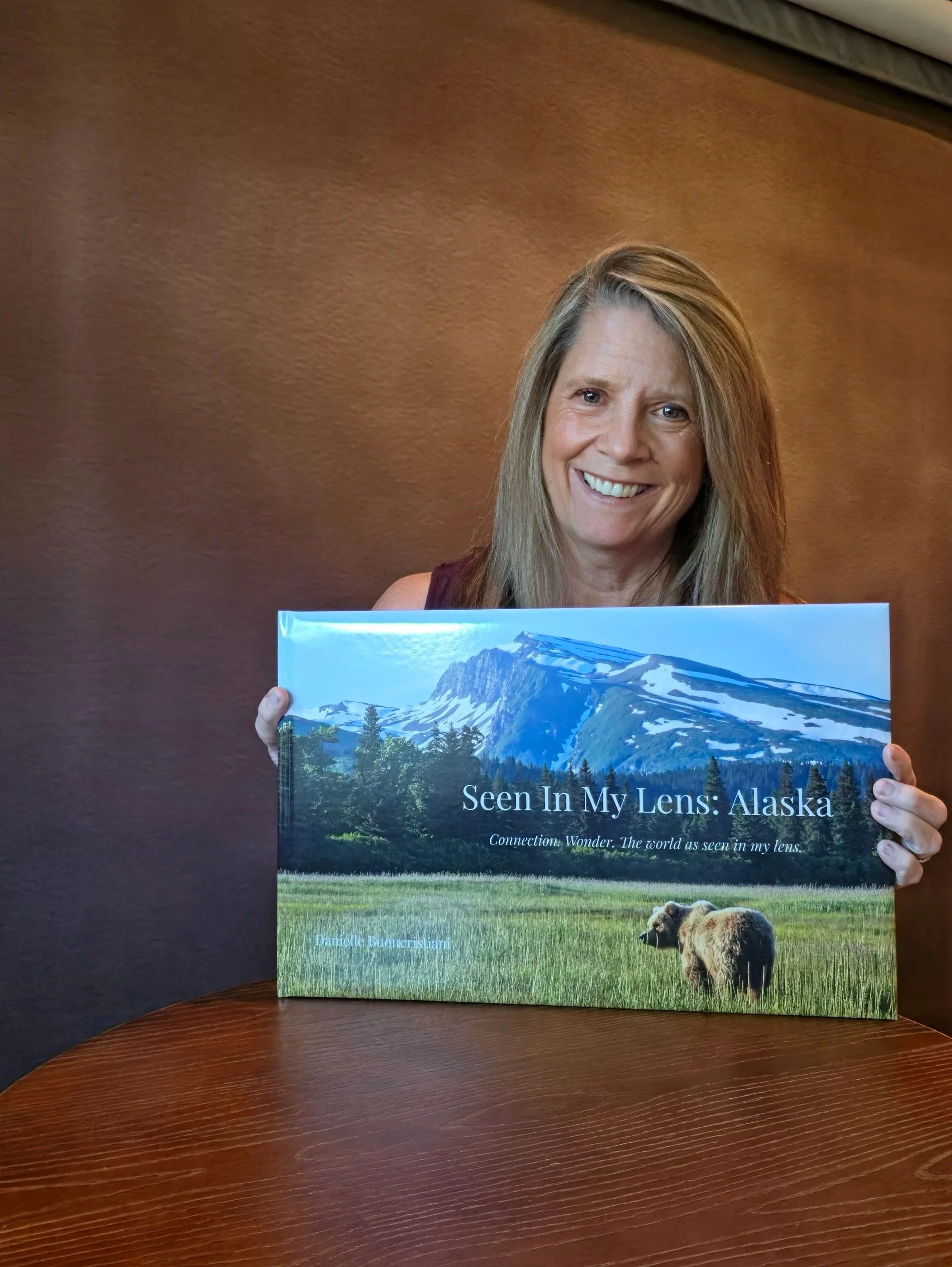
Seeing the work in print changes everything.
And that’s where I am now.
Still refining. Still adjusting. Still making decisions that shape how this story will live on the page.
This blog series has been one way of sharing the journey as it unfolded. The book is something different. More refined. More intentional. A quieter version of the same experience.
There’s still work to do before it’s finished.
But it’s coming.
If this project speaks to you, I’ll be sharing updates as the book comes together—and when it’s ready to be released.